Teaching, learning, practicing art and design requires an open-mind and understanding of the world and our local spaces, connected by social, cultural, technological, and economic networks. This understanding must ease and prepare learning opportunities for students to navigate from a wider perspective the world of work in a global context.
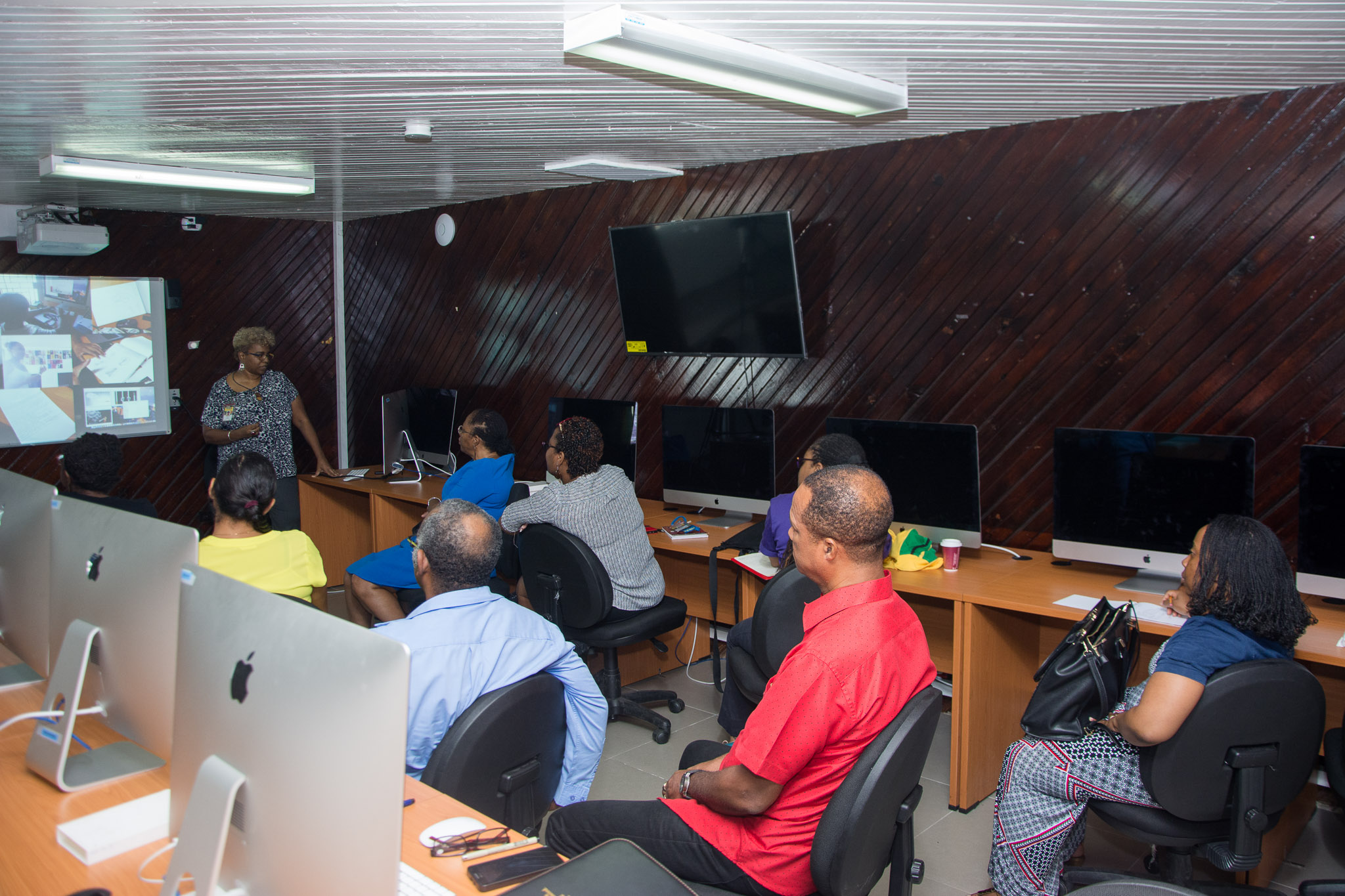
Over the past 5 years, I have seen a marked interest by young Jamaican learners intrigued and captivated by the career and practice possibilities of Digital Media and Visual Communication Design in the creative and cultural industries. Opportunities within these disciplines are increasingly popular in Jamaica and the Caribbean. This attributed by the immediate gratification of making something in exchange for an immediate response. In addition, interacting and experiencing the creative outputs by artists, designers and musicians, performers, novices and pro-sumers alike, who share their digital cultural art or media products.
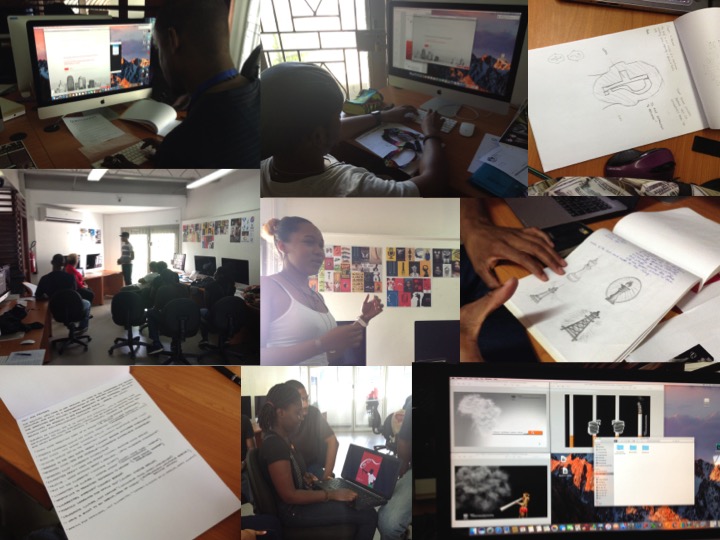
More young learners at the secondary and tertiary education levels are interested in pursuing emerging disciplines within the broad field and study of art, design and technology practice. These include Digital Participatory Media, Social Media, Digital Design, Gaming, Animation and Film. The institutional response has been to increase and develop courses and programmes in these disciplines for those hobbyists to those embarked on a career path.
Students and educators on an educational journey, intrinsically taking up video recording cameras or digital tablets and phones with which they use to create small or full-scale productions of music, performance, imagery and dance. We are the accidental critics of our own space and media and are quite comfortable pushing and promoting with pride our creations, whether we think they are an original or a remix mash-up of something we have experienced before.
This is evidence that alternative methods of teaching and instruction in art, design and technology must be looked at from as early as the primary school level. The developing educational environment offers up opportunities for more research into our general educational culture and our appreciation of the arts. It is a good time to question our living modalities and mindsets about emerging new media technologies, cross-cultural experiences and engagements in art and design education for the region. It is a time for educators to embrace change and use that process to re-energize pedagogies so that both teaching and learning becomes a dynamic living cycle of critical dialogic knowledge, where discussions are transformed beyond the verbal. For all the units taken during the macme8 Creative and Media Education experience, this has been the focus.
In unit 5, I develop an exhibition idea centralized around problem-based learning in an active, real-world studio environment.